
Market Update
Australia Federal Budget 2026: The Bitcoin CGT Changes Every Aussie Needs to Know



Treasurer Jim Chalmers has officially handed down the 2026 Federal Budget, confirming Australia's biggest Capital Gains Tax (CGT) overhaul since 1999.
The flat 50% discount we've leaned on for nearly three decades is being retired in favour of an inflation-indexed model, and there's a new 30% "minimum tax" stinger that caught the market off guard.
And in a piece of comedy that almost wrote itself, as the Budget papers were being leaked, the "Bitcoin CEO" apparently picked up the phone and sent BTC ripping toward $82,000 USD, a quiet reminder global liquidity doesn't look to Canberra for permission.

Key Takeaways for Aussie Bitcoin Holders
-
The 50% CGT discount is being axed. From 1 July 2027, it's replaced by "Cost Base Indexation" plus a new 30% minimum tax rate on net capital gains.
-
The 30% floor closes the retirement sell-off. Even if your total income is $0 (e.g. retirement, gap year, between jobs), you'll now pay a minimum 30% tax on net capital gains. The classic "wait until you stop working, then sell" play is gone.
-
You'll be taxed on real gains, not nominal ones. Indexation adjusts your cost base for CPI inflation, so only your profit above inflation is taxable. For a high-growth asset like Bitcoin, which historically outpaces inflation by a country mile, that's meaningfully less relief than the old flat 50%.
-
The valuation reset is your friend. For Bitcoin held before 1 July 2027, you can use its market value on that date as your "new" cost base, locking in the 50% discount on all gains accrued up until then.
-
The property double-standard. Investors in "new residential builds" can still elect the old 50% discount rules. Bitcoin holders cannot. We're strictly forced onto the new indexation-plus-floor regime.
-
Bitcoin shrugged. BTC just ripped to $82,000 USD. Global markets don't price in Australian compliance costs.
A New Strategy: Borrow Instead of Sell
Borrow AUD, keep your BTC. Because the 30% floor only applies to realised gains, not selling may become one of the most powerful strategies on the table. Bitcoin-backed loans let you access AUD liquidity while maintaining your Bitcoin exposure.
(Yes, we offer them. Not a coincidence.)
What Actually Changed: The Death of the Flat 50%
For 27 years, the playbook for long-term Aussie HODLers was dead simple: hold for more than 12 months, pay tax on half your gain.
Last night, the government swapped that for Cost Base Indexation. Under this system, your purchase price is adjusted upward for CPI inflation, so you only pay tax on your "real" gains, the profit you made above the rate of inflation. Sounds reasonable on paper.
The kicker is the new 30% minimum tax floor. Regardless of your marginal tax rate, even if your taxable income is zero in the year you sell, net capital gains are now hit with a minimum 30% rate.
For high-growth assets like Bitcoin, which historically outpace inflation by an enormous margin, indexation provides only marginal relief versus the old 50% discount. Crunch the numbers and the effective tax bill on long-held BTC roughly doubles under the new regime.
The Transition Timeline
-
- Now – 30 June 2027 — The current 50% discount remains fully active for all disposals. Nothing changes for the next 13 months.
-
- 1 July 2027 — The "Line in the Sand" — The market value of your Bitcoin on this date becomes your reset cost base. This is the critical valuation snapshot that protects all your historical gains from the new 30% floor.
-
- Post-1 July 2027 — Every disposal falls under the new regime: inflation indexation plus the 30% minimum tax.
Either way, the "set and forget" CGT math just got materially more complicated.
The Canada Playbook (And Why It Matters Here)
Australia isn't inventing this regime, we're copying Canada's 2024–2026 playbook. The Canadian results since haven't been pretty: net-negative business creation, a wave of founders relocating company HQs to the US, unemployment ticking to 6.7%, and property prices off roughly 20% from peak in major hubs.
Chris Tipper laid this out on Ainslie Insights this week, sitting down with Alex to walk through the parallels. His read on the policy: "a direct assault on aspiration". There's a generational fault line baked into the design too, boomers benefit from the valuation reset on wealth they already hold, while millennials and Gen Z buying in today wear the full weight of the indexation-plus-floor combo.
Given millennials already hold more wealth in crypto and shares than their parents (the only asset classes they weren't priced out of), the cost lands squarely on the cohort least able to absorb it.
Modelling in the Australian Financial Review suggests the indexation change could nearly double the effective CGT bill on long-held growth assets. A $250k startup that grows to a $5m valuation jumps from roughly $1.1m in tax under the current regime to around $2.2m under the new one: a 96% increase. The same exit would cost zero in New Zealand.
The Bitcoin punchline: founders, capital, and assets can move. Bitcoin doesn't have a head office, a domicile, or a postcode. It settles on the same network from Sydney to Singapore in the same block.
Why $80k Bitcoin on Budget Day Is the Point
While Canberra spent Budget Night hunting for revenue across crypto, luxury cars, and trusts, the global market quietly handed Australian investors a lesson in monetary sovereignty.
BTC just pushed to $82,000 USD, up +14% in the last 30 days.
The Australian Tax Office (ATO) treats cryptocurrency as taxable property. It can compel local exchanges to enforce Australian Financial Services Licences (AFSL). It can tweak your final fiat tax bill until the cows come home.
What it cannot do: change Bitcoin's monetary policy.
This is the entire thesis. Local rules govern how AUD gains are measured. They don't govern Bitcoin itself.
What Next for Australian Crypto Investors?
Don't panic sell. You have until 1 July 2027 before the new regime fully flips, and disposing of Bitcoin to "front-run" the changes just triggers an immediate CGT event under the current rules, the exact outcome HODLers are trying to avoid. With more than a year of runway and a built-in valuation reset, there's no need to make decisions in the next 24 hours.
The updated checklist:
-
Plan your "valuation snapshot". Record the exact BTC price on 1 July 2027. This is the reset point protecting your historical gains from the new 30% floor.
-
Audit any pre-CGT holdings. The Budget confirmed that even very old assets are no longer fully "tax-free" for gains accrued after July 2027. If you've been sitting on legacy holdings, get them assessed.
-
Tighten your record-keeping. Acquisition dates, cost bases, and disposal events matter more under the new regime than the old one, especially with the valuation reset to manage. Talk to a tax professional before the changeover, particularly if you're sitting on large unrealised gains.
-
Explore Bitcoin-backed loans. Because the 30% floor applies only to realised gains, not selling could be the ultimate tax strategy. Borrowing AUD against your BTC lets you access liquidity while staying exposed to your crypto assets. Explore Crypto Loans.*
Zoom out. Australian tax policy is one input on a globally traded asset. The long-term adoption curve doesn't run through the Treasury portfolio.
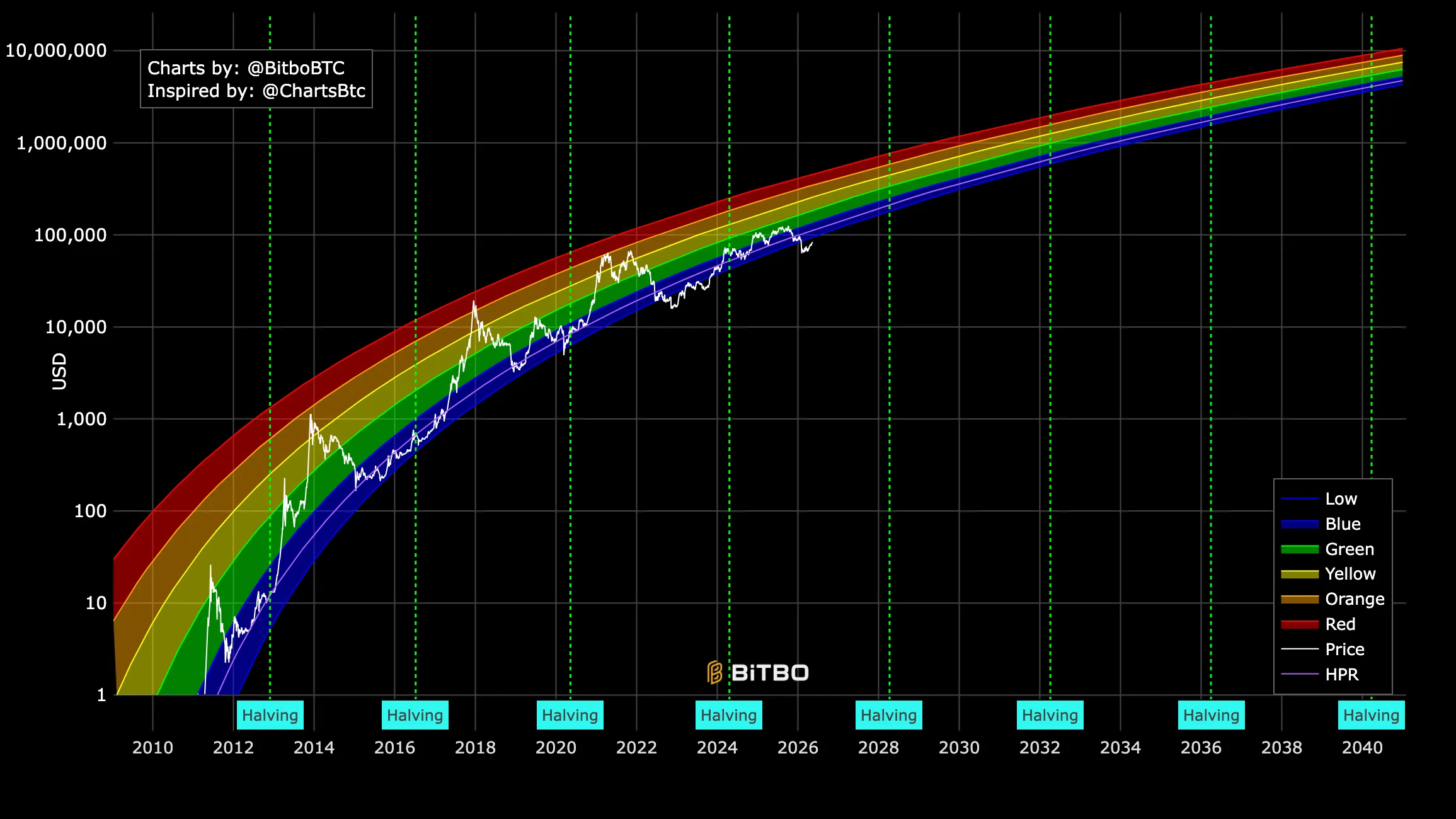
The Bitcoin protocol just shipped another block while you read this paragraph. It will ship another one regardless of who sits in the Treasurer's chair in 2027, 2030, or 2040.
The part Canberra can't legislate away.
Important: These measures are based on announcements made in the 2026 Federal Budget and may change during the legislative process. They must still be debated and passed by Parliament before becoming law. This article reflects our interpretation of the proposals as announced on Budget Night.
Disclaimer: The information contained in this blog is general in nature and is provided for informational purposes only. It does not constitute financial, legal, or tax advice, and should not be relied upon as such. Block Earner does not guarantee the accuracy or completeness of any information presented. You should consider your own personal circumstances and seek professional advice before making any financial or investment decisions. Past performance is not indicative of future results. All investments carry risk. Crypto-backed loans carry real risks. The value of your crypto can fall sharply, rapidly increasing your LVR and reducing any initial buffer. This may require you to add security or repay part of the loan and could result in some or all of your crypto being sold. Approved applicants only. Terms, conditions, fees and charges apply. Credit provided by Web3 Loans Pty Ltd ACN 668 516 952 and managed by Web3 Ventures Pty Ltd trading as Block Earner (ACN 655 090 869) under Australian Credit License 542689.